
Retail spaces do more than display products. They shape how customers feel, move, and interact with a brand. Top retail architects understand this and design stores that invite people in, keep them engaged, and encourage them to return.
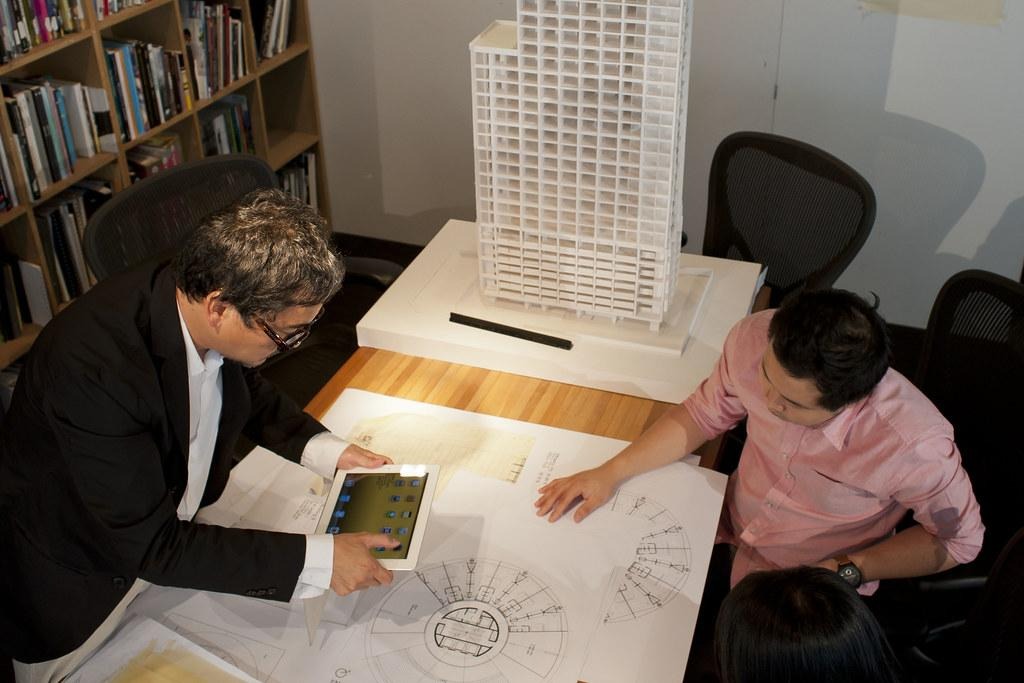
How Architects Design Stores Properly
Through thoughtful planning and creative strategy, top retail architects Orange County CA professionals turn physical spaces into powerful customer experience tools.
Designing With the Customer Journey in Mind
Top retail architects start by studying how customers move through a store. They design layouts that guide shoppers naturally from entrance to checkout without feeling forced. Clear pathways, intuitive zoning, and strategic focal points help customers explore comfortably.
By reducing confusion and friction, architects create a smoother shopping experience. As a result, customers spend more time in the store and engage more deeply with the products.
Creating a Strong Brand Experience
A retail store is often the most direct way customers interact with a brand. Retail architects translate brand identity into physical space using color, materials, lighting, and layout. Every design element reinforces the brand’s personality and values.
When the environment feels authentic and consistent, customers form stronger emotional connections. This connection builds trust and makes the brand more memorable.
Using Lighting to Influence Mood and Focus
Lighting plays a major role in customer engagement. Top retail architects use lighting to highlight products, create atmosphere, and guide attention. Soft ambient lighting can make a space feel welcoming, while focused lighting draws attention to featured displays.
By balancing different lighting types, architects influence how customers feel in the space. This thoughtful approach encourages browsing and enhances product appeal.
Encouraging Interaction and Exploration
Engaging stores invite customers to interact, not just observe. Retail architects design spaces that encourage hands-on experiences through open displays, demonstration areas, and flexible layouts. These features allow customers to connect with products on a deeper level.
When shoppers can touch, test, or try items, engagement increases. This interaction often leads to higher satisfaction and stronger purchase intent.
Designing for Comfort and Accessibility
Customer comfort is essential for engagement. Top retail architects consider factors such as aisle width, seating areas, and accessibility for all customers. Comfortable spaces encourage longer visits and repeat trips.
Additionally, inclusive design ensures that customers of all abilities feel welcome. This attention to comfort and accessibility enhances the overall shopping experience.
Integrating Technology Seamlessly
Modern retail often blends physical and digital experiences. Retail architects integrate technology such as interactive screens, digital signage, and mobile-friendly features without overwhelming the space.
When technology feels natural and supportive, it enhances engagement rather than distracting from it. This balance helps stores stay relevant and appealing in a digital-first world.
Adapting Design for Flexibility and Change
Retail trends evolve quickly, and top architects design with flexibility in mind. Modular fixtures, adaptable layouts, and movable displays allow stores to refresh their look easily.
This adaptability keeps the shopping experience fresh and exciting. Customers notice when stores evolve, which encourages repeat visits and sustained engagement.
Conclusion: How Architects Design Stores Properly
Top retail architects design stores that go beyond aesthetics. By focusing on customer flow, brand identity, lighting, interaction, comfort, technology, and flexibility, they create environments that drive engagement and loyalty. These thoughtful designs turn retail spaces into experiences, helping brands connect with customers and thrive in a competitive market.