
When storms, accidents, or sudden tree failures occur, emergency tree services play a critical role in restoring safety and order. Fallen and hazardous trees can block roads, damage property, and put people at risk.
How Tree Services Respond to Emergencies
Understanding how emergency tree service Atlanta GA crews respond helps property owners know what to expect during these stressful situations.
Rapid Assessment and Safety Planning
Emergency tree service teams begin by assessing the situation as soon as they arrive. They identify immediate hazards such as unstable trunks, hanging branches, or trees tangled in power lines. This initial evaluation allows crews to plan the safest approach before any cutting begins.
By securing the area and keeping people at a safe distance, professionals reduce the risk of injury. This careful planning sets the foundation for a safe and efficient response.
Coordinating With Utility and Emergency Services
When trees are involved with power lines or public infrastructure, coordination becomes essential. Emergency tree services often work alongside utility companies, fire departments, and local authorities to manage risks properly.
This teamwork ensures power lines are de-energized when necessary and public areas remain protected. As a result, tree removal can proceed without creating additional hazards.
Using Specialized Equipment for Complex Situations
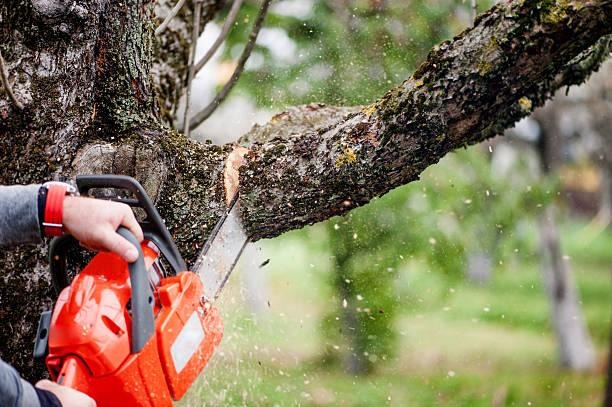
Emergency tree removal requires more than basic tools. Crews use chainsaws, cranes, bucket trucks, and rigging systems to handle large or unstable trees safely. These tools allow technicians to remove sections of a tree gradually rather than all at once.
This controlled process prevents sudden shifts that could damage nearby structures. Consequently, even trees in tight or high-risk spaces can be removed safely.
Addressing Trees Under Tension or Pressure
Fallen trees often rest under significant tension, especially when they lean against buildings or other trees. Cutting these trees without proper technique can cause them to snap or roll unexpectedly.
Emergency professionals are trained to recognize pressure points and release tension carefully. Their expertise prevents accidents and ensures the tree comes down in a controlled manner.
Clearing Debris and Restoring Access
Once the hazardous tree is removed, crews focus on clearing debris from the area. Branches, logs, and leaves are removed to restore access to roads, driveways, or walkways.
This cleanup process helps properties return to normal quickly. It also reduces the risk of secondary hazards, such as tripping or additional falling debris.
Evaluating Surrounding Trees for Future Risks
Emergency response often includes checking nearby trees for additional damage. Storms and accidents rarely affect just one tree, and nearby trees may also be compromised.
By identifying potential risks early, emergency services help prevent future incidents. This proactive step adds long-term value beyond the immediate response.
Providing Clear Communication Throughout the Process
Throughout the response, emergency tree services communicate clearly with property owners. They explain the plan, outline safety precautions, and answer questions as work progresses.
This transparency builds trust and helps reduce anxiety during an already stressful event.
Conclusion: How Tree Services Respond to Emergencies
Emergency tree services respond to fallen and hazardous trees with speed, skill, and careful planning. From rapid assessment and coordination with utilities to controlled tree removal and thorough cleanup, their approach prioritizes safety and efficiency. By relying on trained professionals, property owners can navigate emergencies with confidence and restore their surroundings safely and effectively.